
1. Ro-ràdh
This manual provides detailed instructions for the installation, operation, and maintenance of your ELUSH 60Amp MPPT Solar Charge Controller. This device is designed to efficiently manage power from your solar panels to charge various battery types, including LiFePO4, AGM, and Gel batteries, in 12V, 24V, and 48V systems.
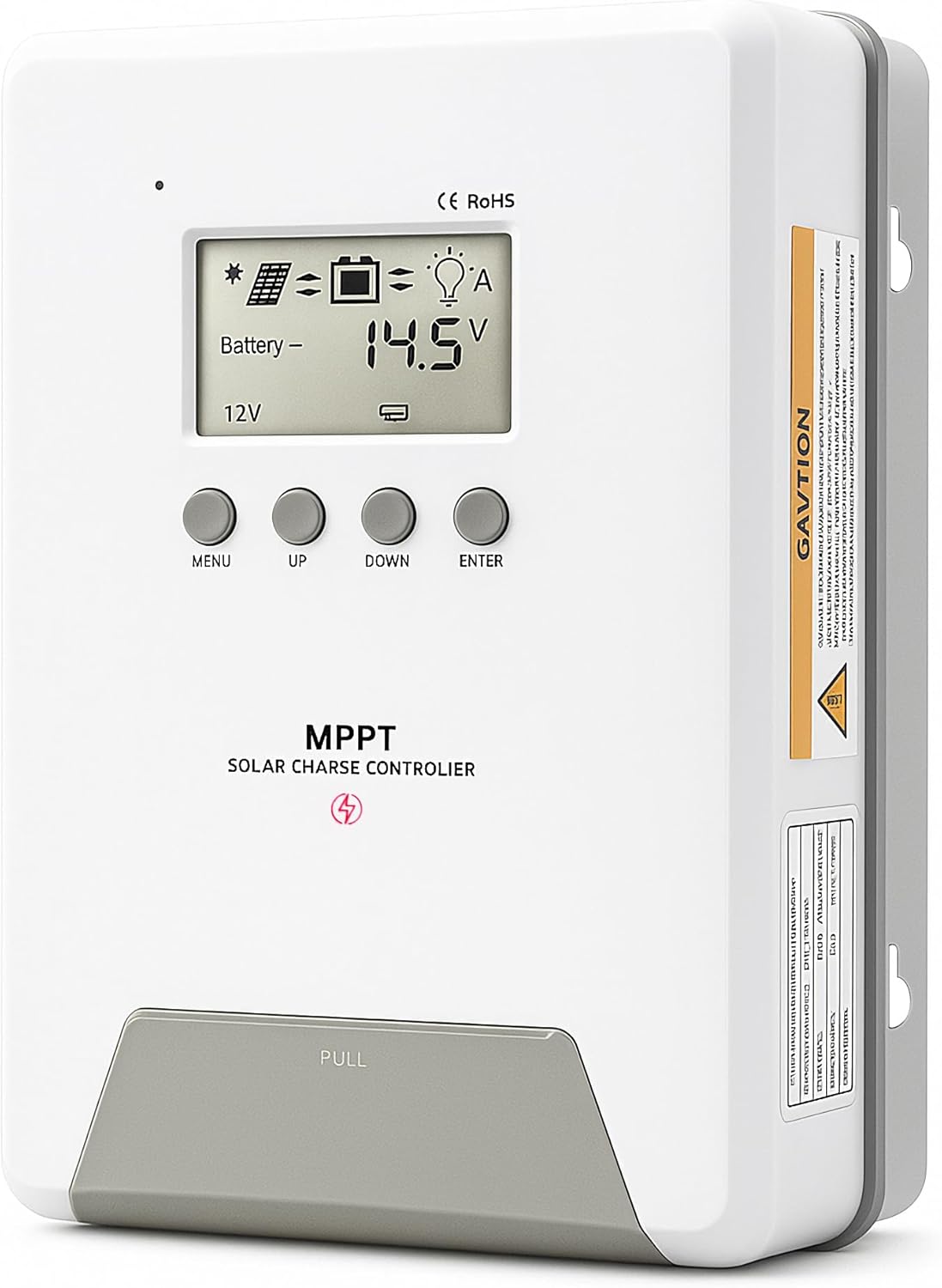
Image 1.1: ELUSH 60Amp MPPT Solar Charge Controller.
2. Prìomh fheartan
- Teicneòlas MPPT adhartach: Maximizes energy harvest from solar panels with tracking efficiency no less than 99% and peak conversion efficiency up to 98%.
- System Auto-Detection: Automatically detects 12V, 24V, and 48V DC system voltages upon startup.
- Broad Battery Compatibility: Supports Sealed (AGM), Gel, Flooded lead-acid batteries, and Lithium batteries (LiFePO4, Ternary Lithium/Li-ion).
- Taisbeanadh LCD soilleir: Provides real-time monitoring of PV voltage, bataraidh voltage/current, charging power, accumulated energy generation, and load status.
- Essential Built-in Protections: Includes safeguards against overvoltage, overcurrent, undervoltage, agus teòthachd àrd.
- Sgaoileadh teas èifeachdach: Features a high-quality aluminum heatsink for stable operation and optimal performance.

Image 2.1: MPPT Technology highlighting 99% tracking efficiency and 98% peak conversion efficiency.
3. Safety Information and System Protection
The ELUSH MPPT Solar Charge Controller is equipped with multiple protection features to ensure safe and reliable operation of your solar power system. Always adhere to local electrical codes and safety guidelines during installation and operation.
- Over-discharging Protection: Prevents batteries from being discharged below a safe voltage ìre.
- Dìon Overload: Safeguards against excessive current draw from the load terminals.
- Short-circuiting Protection: Protects against short circuits in the solar panel, battery, or load circuits.
- Dìon polaidheachd cùil: Prevents damage from incorrect battery or solar panel connections.
- Dìon cus-luchdachadh: Ensures batteries are not overcharged, extending their lifespan.
- Dìoladh Teòthachd: Adjusts charging parameters based on battery temperature for optimal charging.
- Reverse Current Protection: Prevents current from flowing back from the battery to the solar panel at night.

Image 3.1: Visual representation of the controller's system protection features.
4. Stàladh agus sreangadh
Tha stàladh ceart deatamach airson obrachadh sàbhailte agus èifeachdach an rianadair cosgais grèine agad. Lean na ceumannan seo gu faiceallach.
4.1 Connection Sequence
Always connect components in the following order to prevent damage:
- Ceangail am bataraidh: Connect the battery to the controller's battery terminals. Ensure correct polarity (+ to + and - to -). The battery terminals should be installed with safety fuses. Ensure the distance does not exceed 150mm.
- Ceangail an luchd: Connect your DC loads to the controller's load terminals.
- Connect the solar panel: Connect the solar panel to the controller's solar energy terminals. Ensure correct polarity.
- Cuir cumhachd air an rianadair: The controller will automatically power on once all connections are secure.
Thoir an aire: If you want to connect an inverter, connect it directly to the battery, not to the load terminal of the controller.

Image 4.1: Diagram showing the connection points for solar energy, battery, and load.

Image 4.2: Step-by-step visual guide for connecting the system components.
4.2 Hidden Installation Wiring
For a clean and secure installation, the wiring can be routed and hidden. After all connections are properly made and tested, tighten the screws on the terminals and close the bottom cover of the controller to complete the installation. This protects the wiring and provides a neat appearance.
5. Stiùireadh Obrachaidh
The controller features an intuitive LCD display and buttons for monitoring and configuration.
Taisbeanadh LCD 5.1 agus Putanan
The LCD screen provides real-time information about your system. The buttons allow you to navigate menus and adjust settings.
- Sensor teòthachd: Located on the controller, it measures ambient temperature for accurate charging compensation.
- Taisbeanadh LCD: Shows PV voltage, bataraidh voltage, charging current, load status, and other system parameters.
- Putan MENU: Used to enter and exit menu settings.
- Putan UP: Navigates upwards through menu options or increases values.
- Putan DOWN: Navigates downwards through menu options or decreases values.
- Putan ENTER: A’ dearbhadh taghaidhean no a’ dol a-steach do fho-chlàran-taice.
Image 5.1: The controller's LCD display and button layout for user interaction.
5.2 fèin-ghluasadach Voltage Recognition and Battery Compatibility
The controller automatically detects the system voltage (12V, 24V, or 48V) upon startup. It is compatible with a wide range of battery types, ensuring efficient and safe charging for your specific setup.
- Lithium-ion batteries (Li): For standard lithium-ion chemistries.
- Lithium Iron Phosphate batteries (LiFePO4): Specifically designed for LiFePO4 batteries.
- Lead-acid batteries (BAT): Includes Sealed (AGM), Gel, and Flooded types.

Image 5.2: Illustration of automatic voltage recognition and compatibility with various battery types.
6. Sònrachaidhean
| Brand | ELUSH |
| Modail Àireamh | DM60A |
| Rangachadh làithreach | 60A |
| Siostam Voltage | 12V/24V/48V Auto Detection |
| Meud cuir a-steach PV Voltage | 150V |
| Stuth | Aluminium |
| Seòrsa Taisbeanaidh | LCD |
| Dath | Dubh |
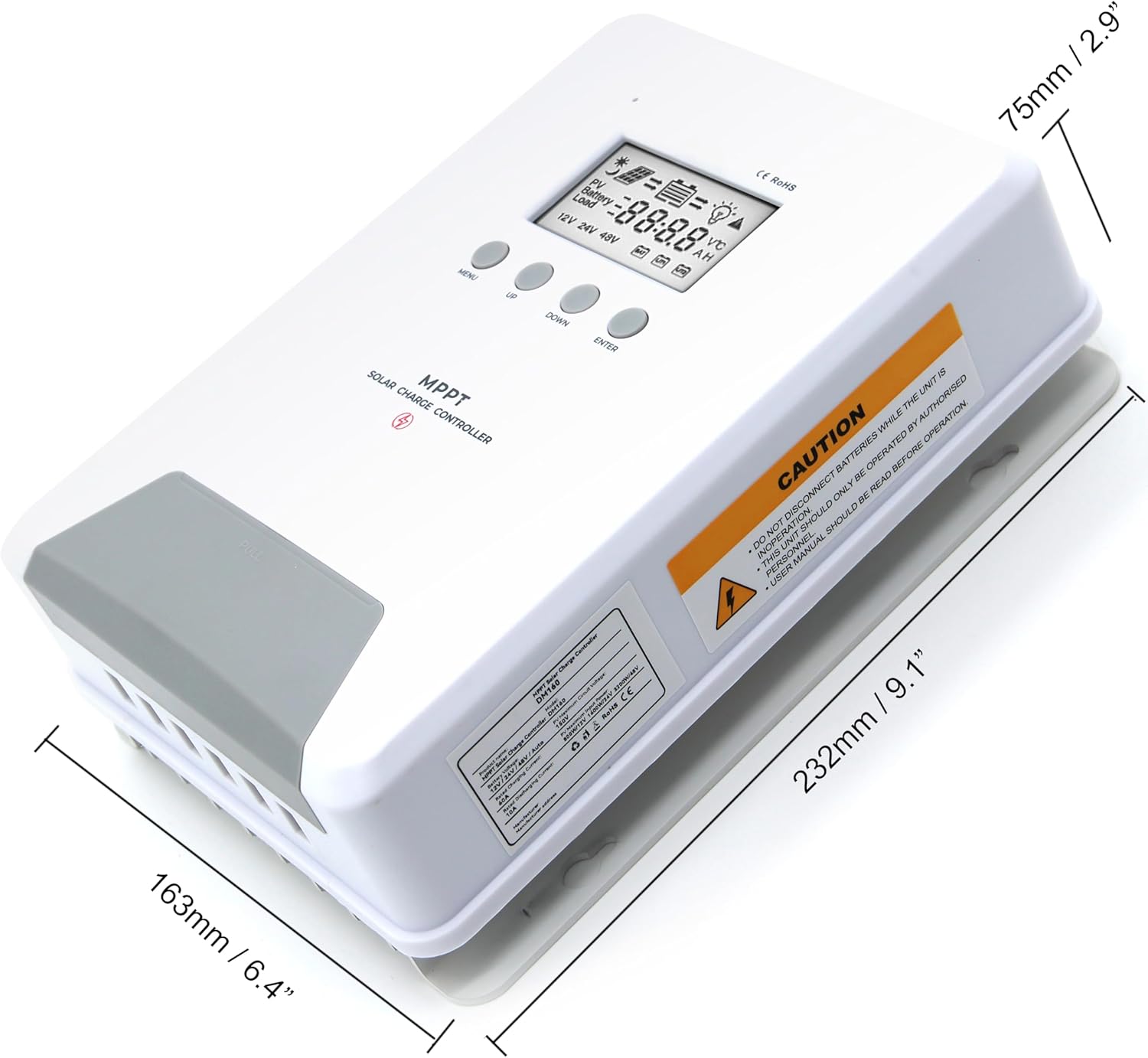
Image 6.1: Physical dimensions of the ELUSH 60Amp MPPT Solar Charge Controller.
7. Cumail suas
To ensure optimal performance and longevity of your solar charge controller, regular maintenance is recommended:
- Dèan sgrùdadh air ceanglaichean: Periodically check all wiring connections for tightness and corrosion. Loose connections can cause overheating and damage.
- Glan an Smachdair: Keep the controller clean and free from dust and debris. Use a dry cloth to wipe the exterior. Ensure ventilation openings are not blocked.
- Dèan sgrùdadh air coileanadh: Regularly check the LCD display for normal operating parameters. Note any unusual readings or error codes.
- Slàinte Bataraidh: Ensure your batteries are well-maintained according to their manufacturer's guidelines.
8. A ’dèanamh trioblaid
If you encounter issues with your ELUSH MPPT Solar Charge Controller, refer to the following basic troubleshooting steps:
- Gun taisbeanadh/Gun chumhachd: Check battery connections and ensure the battery voltage is within the controller's operating range. Verify fuses are intact.
- Bataraidh gun chosgais: Confirm solar panel connections and polarity. Check for sufficient sunlight and ensure solar panel voltage is above the battery voltage. Verify battery type settings are correct.
- Luchdaich gun a bhith ag obair: Check load connections and ensure the load current does not exceed the controller's rating. Verify load output settings on the controller.
- Còdan mearachd: If the LCD displays an error code, consult the full product manual (if available) or contact technical support for specific guidance.
- Overheating: Ensure the controller is installed in a well-ventilated area, away from direct sunlight or heat sources. Check for any obstructions to the heatsink.
9. Barantas agus Taic
ELUSH provides professional technical support for its products. If you have any questions, require assistance with installation, operation, or troubleshooting, please feel free to contact us. Refer to your purchase documentation for specific warranty terms and contact information.