
1. Toradh thallview
The Lifetime 60058 Compost Tumbler is an 80-gallon (302.8 L) capacity unit designed for efficient composting. Its ingenious tumbler design allows for easy rotation, and an internal aeration bar mixes compost while providing essential airflow. Constructed from durable, UV-protected high-density polyethylene (HDPE), the tumbler features dark, double-wall panels that absorb and retain heat, crucial for decomposition. It includes an extra-large removable lid for convenient loading and a spring-loaded pin to lock rotation during filling or emptying.
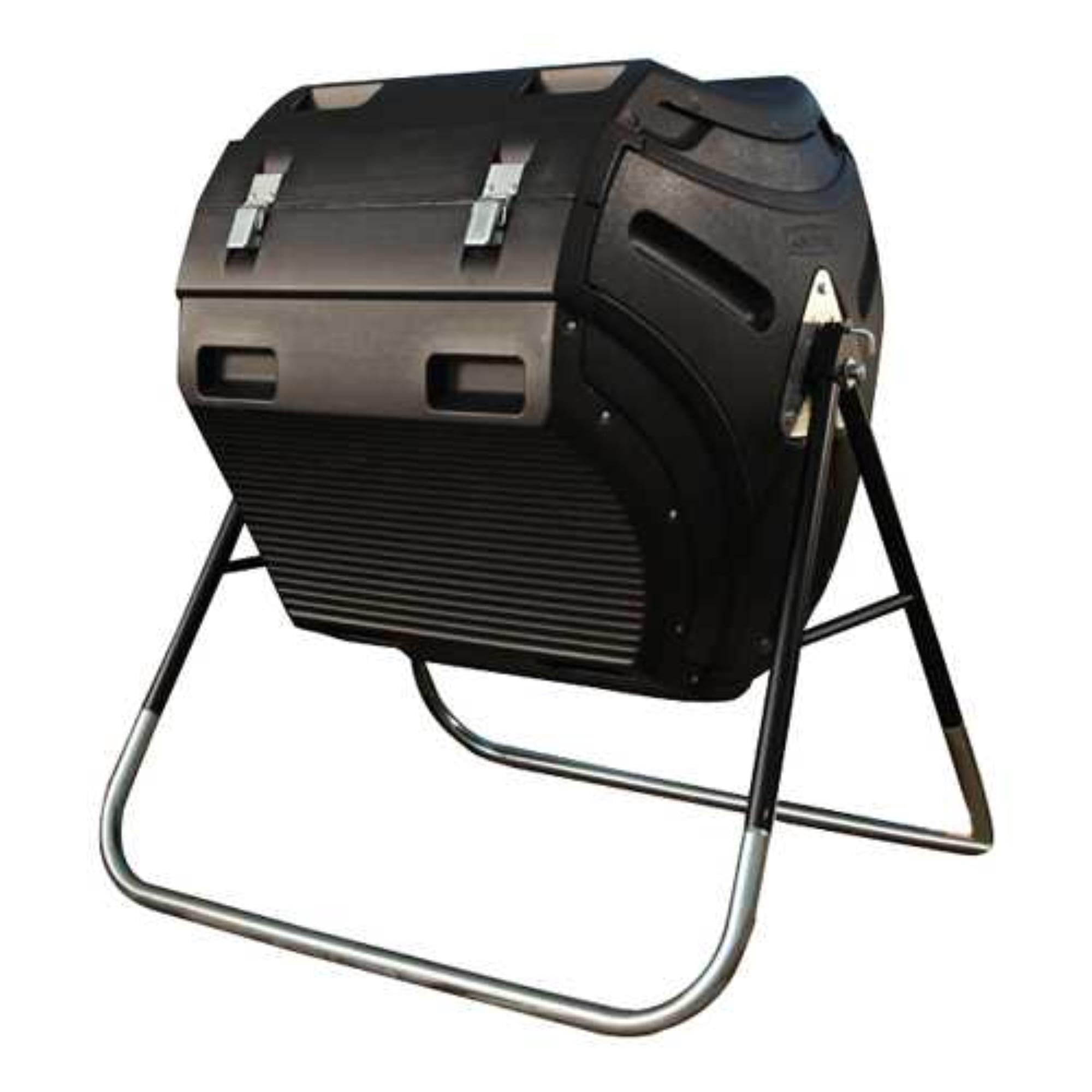
Image 1.1: The Lifetime 60058 Compost Tumbler in an outdoor environment.
2. Fiosrachadh Sàbhailteachd
Always prioritize safety when handling composting materials and operating the tumbler.
- Always use gloves and other protective gear when handling compost.
- Be cautious of sharp objects and potential harmful microorganisms within the compost.
- Keep the compost bin clean and well-ventilated to prevent pest attraction.
- Do not compost meat, dairy, or diseased plants to avoid attracting pests and maintaining a healthy compost pile.
- Moladh 65 Rabhadh: Faodaidh an toradh seo ceimigean a tha aithnichte do Stàit California a bhith ag adhbhrachadh aillse agus easbhaidhean breith no cron gintinn eile.
3. Suidheachadh agus Seanadh
Assembly of the Lifetime 60058 Compost Tumbler requires careful attention to instructions and may be easier with two people. An electric drill is essential for drilling holes in the plastic panels and metal legs.
Innealan riatanach (Gun a thoirt a-steach):
- Drile dealain
- Sgrobhadair
- Two pairs of pliers
- Wrenches socaid
Ceumannan cruinneachaidh:
- Fosgail na pàirtean uile agus dèan cinnteach gu bheil iad rim faighinn an aghaidh liosta nam pàirtean anns an leabhar-làimhe a tha na chois.
- Assemble the main drum panels. Note that you will need to drill holes for bolts in the plastic pieces. The provided drill bit may be dull; using a quality drill bit is recommended.
- When connecting large pieces with small screws, ensure to use the provided black plastic pieces as anchors for the screws. This step is crucial and easier with two people.
- Attach the two triangular metal plates on each side of the assembly using bolts, washers, and nuts. Use socket wrenches to tighten these securely, as they may feel loose initially.
- Assemble the stand and attach the drum. Ensure the spring-loaded pin mechanism is correctly installed for locking rotation.
- The bottom part of the legs is galvanized steel. Consider spray painting them with exterior metal spray paint before assembly to prevent rust, especially if the unit will be exposed to rain, sun, and snow.
- Ensure all plastic plugs for blowmold holes are securely inserted. If they do not fit easily, a small amount of adhesive may be used, or the holes may need slight enlargement.

Image 3.1: Loading organic waste into the tumbler. Assembly is required before use.
Bhidio 3.2: Thar-chrìochview of the Lifetime Compost Tumbler, demonstrating its features and ease of use. This video is provided by the seller.
4. Stiùireadh Obrachaidh
Effective composting relies on a balance of "greens" (nitrogen-rich materials) and "browns" (carbon-rich materials), moisture, and aeration.
Loading the Tumbler:
- Open the extra-large removable lid.
- Load with a balanced mix of lawn and garden trimmings (greens) and organic waste (browns). Examples of greens include fresh grass clippings, fruit and vegetable scraps. Examples of browns include dry leaves, wood chips, and shredded paper.
- Ensure the compost mixture is moist, but not waterlogged. Add water if necessary.
- Dùin am mullach gu tèarainte.
Turning the Tumbler:
- To unlock the tumbler for rotation, pull the spring-loaded pin.
- Rotate the tumbler on its axis. The balanced design makes turning easy, saving the effort of manually turning a compost heap.
- The internal aeration bar mixes the compost and allows for optimal oxygen flow, which is vital for microbial activity.
- Rotate the tumbler weekly or every time new ingredients are added to ensure proper mixing and aeration.
- When finished turning, re-engage the spring-loaded pin to lock the tumbler in position.
Microorganisms will break down the moist, well-aerated organic materials, resulting in a useful and inexpensive organic soil conditioner and fertilizer.

Image 4.1: Detail of the spring-loaded pin used to lock and unlock the tumbler for rotation.
5. Cumail suas
Regular maintenance ensures the longevity and optimal performance of your compost tumbler.
- Glanadh: Periodically clean the exterior of the tumbler with mild soap and water. Ensure the interior is free of excessive buildup that could hinder aeration or rotation.
- Bacadh meirge: The tumbler features a powder-coated steel frame and galvanized steel base. While designed to be weather and rust-resistant, inspect metal components regularly for signs of surface rust. Applying a rust-inhibiting paint to any exposed galvanized steel, especially the legs, can further extend its lifespan.
- Lid and Pin Mechanism: Ensure the lid seals properly and the spring-loaded pin mechanism operates smoothly. Lubricate moving parts if necessary.
- Ionracas a’ Phannail: The high-density polyethylene panels are UV-protected and designed not to fade, crack, chip, or peel. However, inspect them for any damage that could compromise the tumbler's integrity or heat retention.
6. A ’dèanamh trioblaid
If you encounter issues with your compost tumbler, consider the following common problems and solutions:
- Compost Not Breaking Down:
- Incorrect Ratio: Ensure a proper balance of "greens" (nitrogen) and "browns" (carbon). A common ratio is 1 part green to 2-3 parts brown.
- Lack of Moisture: The compost should feel like a damp sponge. Add water if it's too dry.
- Insufficient Aeration: Ensure you are turning the tumbler regularly (at least weekly) to provide oxygen.
- Teòthachd: Composting slows down in colder temperatures. Ensure the tumbler is in a sunny location if possible.
- Difficulty Turning the Tumbler:
- A' lìonadh cus: The tumbler may be too full. Remove some material to reduce weight.
- Off-Center Load: If the load is unevenly distributed, it can be harder to turn. Try to redistribute the material by rotating it partially and allowing it to settle.
- Pin Mechanism: Ensure the spring-loaded pin is fully disengaged before attempting to turn.
- Odors mì-thlachdmhor:
- Too Much Green Material: Add more "browns" like dry leaves or shredded paper to balance the nitrogen.
- Lack of Air: Turn the tumbler more frequently to introduce oxygen.
- Excess Moisture: Add dry "browns" and turn more often.
- Feartan toirmisgte: Ensure no meat, dairy, or oily foods are in the compost.
7. Sònrachaidhean
| Feart | Mion-fhiosrachadh |
|---|---|
| Modail Àireamh | 60058 |
| Brand | AM BEATHA |
| Comas | 80 Gallon (302.8 liotair) |
| Meudan toraidh (L x W x H) | 35.5" x 40" x 43" (90 cm x 101.6 cm x 109 cm) |
| Cuideam nì | 19100 gram (timcheall air 42.1 lbs) |
| Stuth | High-Density Polyethylene (HDPE) Plastic, Powder-Coated Steel |
| Dath | Dubh |
| Tumbler Design | Single Tumbler |
| UPC | 841101003435 |

Image 7.1: Finished compost, a rich soil conditioner.

Image 7.2: Dimensional diagram of the Lifetime 60058 Rotating Composter (80 Gallon).
8. Barantas agus Taic
For specific warranty information and customer support, please refer to the documentation included with your product or visit the official LIFETIME weblàrach. Cùm do chuidhteas ceannach airson tagraidhean barantais.
If you require assistance with assembly, operation, or troubleshooting that is not covered in this manual, please contact LIFETIME customer service.